

High Brightness Monitor: Sunlight Readable Display Technology for Demanding Environments
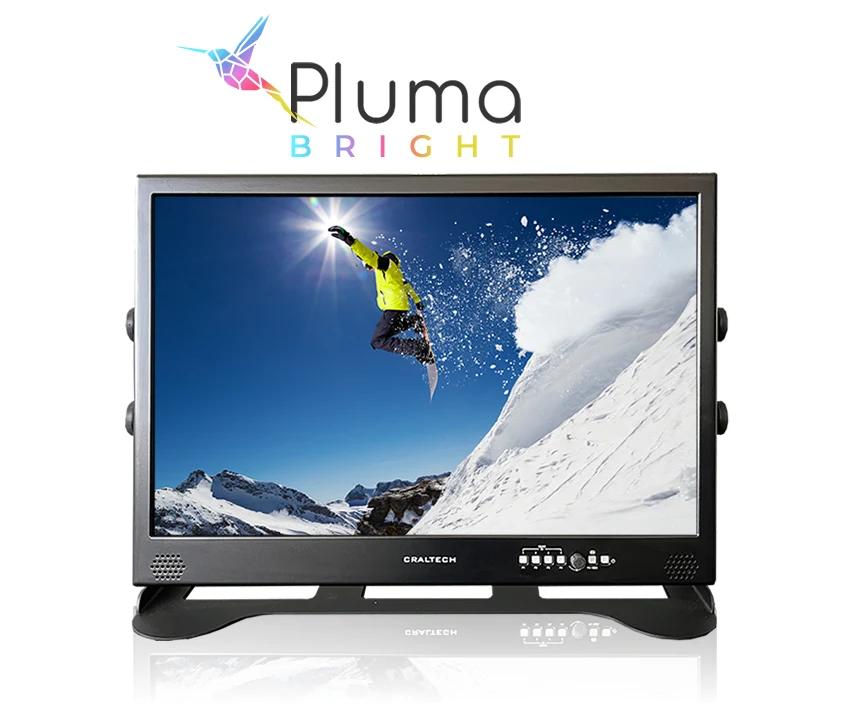
In today’s digital world, display visibility is critical in environments where lighting conditions are not controlled. Standard monitors often fail in bright outdoor or high ambient light settings, making it difficult to read content clearly. This is where the high brightness monitor becomes essential. Designed with advanced backlighting technology and enhanced optical performance, these monitors deliver crystal-clear visibility even under direct sunlight.
Companies like SUNUL specialize in manufacturing high brightness monitor solutions that are widely used in industrial, commercial, transportation, and outdoor digital signage applications.
What Is a High Brightness Monitor?
A high brightness monitor, also known as a sunlight-readable display, is a specialized LCD screen designed to operate effectively in extremely bright environments. While standard monitors typically offer 200–300 nits of brightness, high brightness monitors start from 800 nits and can go up to 1500 nits or even higher depending on application requirements.
This increased brightness ensures that images, videos, and text remain visible even in direct sunlight or under strong artificial lighting conditions.
These monitors are commonly used in outdoor kiosks, transportation systems, military equipment, marine navigation, industrial automation, and advertising displays.
How High Brightness Technology Works
High brightness monitors use advanced LED backlighting systems that produce significantly stronger luminance compared to standard displays. Instead of conventional lighting setups, these monitors use high-efficiency LED arrays that deliver uniform brightness across the entire screen.
To improve visibility further, many high brightness monitors also include optical bonding technology. This process removes air gaps between the display layers and fills them with resin, reducing internal reflections and improving contrast. This results in sharper images and better readability in bright environments.
Some models also include automatic brightness adjustment sensors that adapt screen luminance based on surrounding light conditions, ensuring optimal visibility while saving energy.
Key Features of High Brightness Monitors
High brightness monitors are designed with several advanced features that make them suitable for professional and industrial use.
Ultra-High Brightness Output
The most important feature is their ability to produce extremely high brightness levels, allowing clear visibility even in direct sunlight. This makes them ideal for outdoor installations and semi-outdoor environments.
Anti-Glare and Optical Bonding Technology
Many high brightness displays use anti-glare coatings and optical bonding to minimize reflections and improve contrast. This ensures that content remains readable even in challenging lighting conditions.
Wide Temperature Operation
These monitors are built to operate in extreme temperatures, making them suitable for outdoor and industrial environments where heat and cold conditions vary significantly.
Durable Industrial Design
High brightness monitors are often constructed with rugged metal housing and reinforced glass to withstand vibration, dust, moisture, and other environmental challenges.
Smart Brightness Control
Advanced models include ambient light sensors that automatically adjust brightness levels for optimal viewing and energy efficiency.
Applications of High Brightness Monitors
High brightness monitors are widely used in industries where visibility and reliability are critical.
Outdoor Digital Signage
One of the most common applications is outdoor advertising. High brightness monitors ensure that promotional content remains visible even in bright daylight, making them ideal for billboards, kiosks, and storefront displays.
Transportation Systems
Airports, railway stations, and bus terminals use high brightness monitors for schedules, information boards, and navigation systems that must remain readable in bright terminal environments.
Industrial and Manufacturing Facilities
Factories and control rooms use these monitors for real-time data visualization, machine monitoring, and process control systems where clarity is essential.
Marine and Aviation Use
Ships and aircraft require displays that remain visible under extreme lighting conditions, including direct sunlight reflection from water or clouds.
Military and Defense Systems
High brightness monitors are also used in tactical vehicles, command centers, and field operations where outdoor readability is critical.
Advantages Over Standard Displays
High brightness monitors offer several advantages compared to regular LCD screens.
First, they provide superior visibility in all lighting conditions, eliminating the need to shade or reposition screens.
Second, they improve operational efficiency by ensuring that critical information is always readable.
Third, they enhance durability and reliability in harsh environments, reducing maintenance costs and downtime.
Finally, they support professional-grade applications where standard displays simply cannot perform.
Energy Efficiency and Performance Balance
Although high brightness monitors consume more power than standard displays, modern LED technology has significantly improved energy efficiency. Many models are designed to optimize power usage by adjusting brightness levels based on environmental conditions.
This balance between performance and efficiency makes them suitable for long-term commercial and industrial deployment.
Future of High Brightness Display Technology
As demand for outdoor digital solutions continues to grow, high brightness monitor technology is expected to evolve further. Future developments will focus on improving energy efficiency, increasing brightness levels, and enhancing durability.
Integration with smart systems, AI-based brightness control, and advanced anti-reflective coatings will further improve performance and usability.
Companies like SUNUL are actively innovating in this field to deliver next-generation sunlight-readable display solutions for global markets.
Conclusion
The high brightness monitor is a critical solution for environments where standard displays fail to perform. With advanced LED backlighting, optical bonding, and rugged construction, these monitors deliver exceptional visibility, durability, and reliability.
From outdoor advertising and transportation systems to industrial control rooms and military applications, high brightness monitors ensure that information remains clear and accessible in even the most challenging lighting conditions. As display technology continues to advance, they will remain a key component in modern industrial and commercial visual systems.