

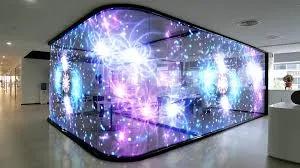
The digital display industry is evolving rapidly, and one of the most futuristic innovations is the transparent LED screen. Unlike traditional LED displays that block visibility, transparent LED technology allows viewers to see both the digital content and the real environment behind the screen. This creates a powerful “floating image” effect that is highly attractive for modern advertising, retail, and architectural applications.
Companies like XLED are developing advanced Transparent LED Screen solutions designed for high brightness, high transparency, and seamless integration with glass surfaces in commercial buildings and storefronts.
What Is a Transparent LED Screen?
A transparent LED screen is a type of display system built using LED light strips or pixel modules arranged in a grid with open spaces between them. These gaps allow light and visibility to pass through, creating a semi-transparent visual effect.
When the screen is active, it displays bright images, videos, or animations. When it is off, the glass remains largely see-through, preserving natural light and visibility. Depending on the model and pixel pitch, transparency levels can reach up to 70%–90%, making the display appear almost invisible when not in use.
This unique structure makes transparent LED screens ideal for glass windows, building facades, and retail storefronts where maintaining visibility is important.
How Transparent LED Technology Works
Transparent LED screens work by using LED strips mounted on a lightweight frame or film. Each LED acts as a pixel that produces light in red, green, and blue (RGB) combinations to create full-color images.
The key factor behind transparency is the spacing between LED strips. Larger spacing increases transparency, while smaller spacing improves image resolution. This balance allows manufacturers to customize screens based on different usage scenarios.
Advanced transparent LED systems also use high brightness levels (often up to 4000–6000 nits), ensuring clear visibility even under strong daylight conditions.
Key Features of Transparent LED Screens
Transparent LED displays offer several unique features that distinguish them from traditional display technologies.
High Transparency Design
The most important feature is the ability to maintain visibility through the screen. Even when installed on glass surfaces, these displays allow natural light to pass through while still showing digital content.
Ultra-High Brightness
Transparent LED screens are designed for bright environments such as shopping malls, airports, and outdoor storefronts. Their high brightness ensures that content remains clear even in direct sunlight.
Lightweight and Slim Structure
Unlike traditional LED video walls, transparent LED screens are lightweight and thin. This makes them easier to install on glass walls without requiring heavy structural support.
Easy Maintenance
Most systems are modular, meaning individual LED strips or panels can be replaced easily without dismantling the entire screen.
Applications of Transparent LED Screens
Transparent LED screens are widely used across multiple industries due to their modern design and visual impact.
Retail and Shopping Malls
Retail stores use transparent LED screens in storefront windows to display advertisements while still allowing customers to see inside the store. This creates an engaging shopping experience and attracts foot traffic.
Commercial Buildings
Glass building facades are increasingly being transformed into digital advertising spaces using transparent LED technology. These screens turn entire buildings into dynamic digital canvases without blocking interior light.
Transportation Hubs
Airports, train stations, and bus terminals use transparent LED screens for information display and advertising while maintaining open, bright environments.
Hospitality and Entertainment
Hotels, restaurants, and entertainment venues use transparent displays for branding, promotions, and decorative visual effects.
Advantages Over Traditional LED Displays
Compared to conventional LED screens, transparent LED technology offers several key advantages.
First, it preserves architectural aesthetics. Glass walls remain visually open even when the screen is active, maintaining a modern and elegant design.
Second, it enhances advertising impact. The floating visual effect naturally draws attention, making advertisements more engaging and memorable.
Third, it allows natural light to pass through, reducing the need for additional lighting and maintaining energy efficiency in indoor environments.
Finally, it offers flexible installation options, making it suitable for both new constructions and retrofit projects.
Types of Transparent LED Screens
There are several types of transparent LED technologies available:
Rigid transparent LED screens for building facades and large installations
Flexible LED film screens that can be attached directly to glass surfaces
Holographic LED screens that create 3D-like floating visual effects
Fine-pitch transparent displays for high-resolution indoor applications
Each type is designed for specific environments depending on resolution, brightness, and installation needs.
Future of Transparent LED Technology
As smart cities and digital architecture continue to develop, Transparent LED Screen are expected to become more common. Future improvements will focus on higher resolution, better transparency, lower energy consumption, and more flexible installation methods.
Emerging innovations may even combine transparent LED technology with AI-based content systems, interactive displays, and augmented reality experiences, further expanding their use in retail and urban environments.
Conclusion
The transparent LED screen represents a major step forward in digital display technology. By combining high-brightness visuals with see-through glass functionality, it offers a unique solution for modern advertising and architectural design.
From retail storefronts and commercial buildings to transportation hubs and entertainment venues, transparent LED screens are redefining how digital content is presented in physical spaces. As technology continues to evolve, they will play an increasingly important role in shaping the future of visual communication.